
Media Centers
Pharmacy Automation: Maximize Efficiency and Patient Care
Share:

Pharmacy Automation: Maximize Efficiency and Patient Care

The world of pharmacy is evolving quickly and automation has become a key element in managing and dispensing medications. These technologies offer innovative solutions to modern challenges facing pharmacies today, benefiting both pharmacists and patients alike.

Pharmacy Automation: A Technological Revolution

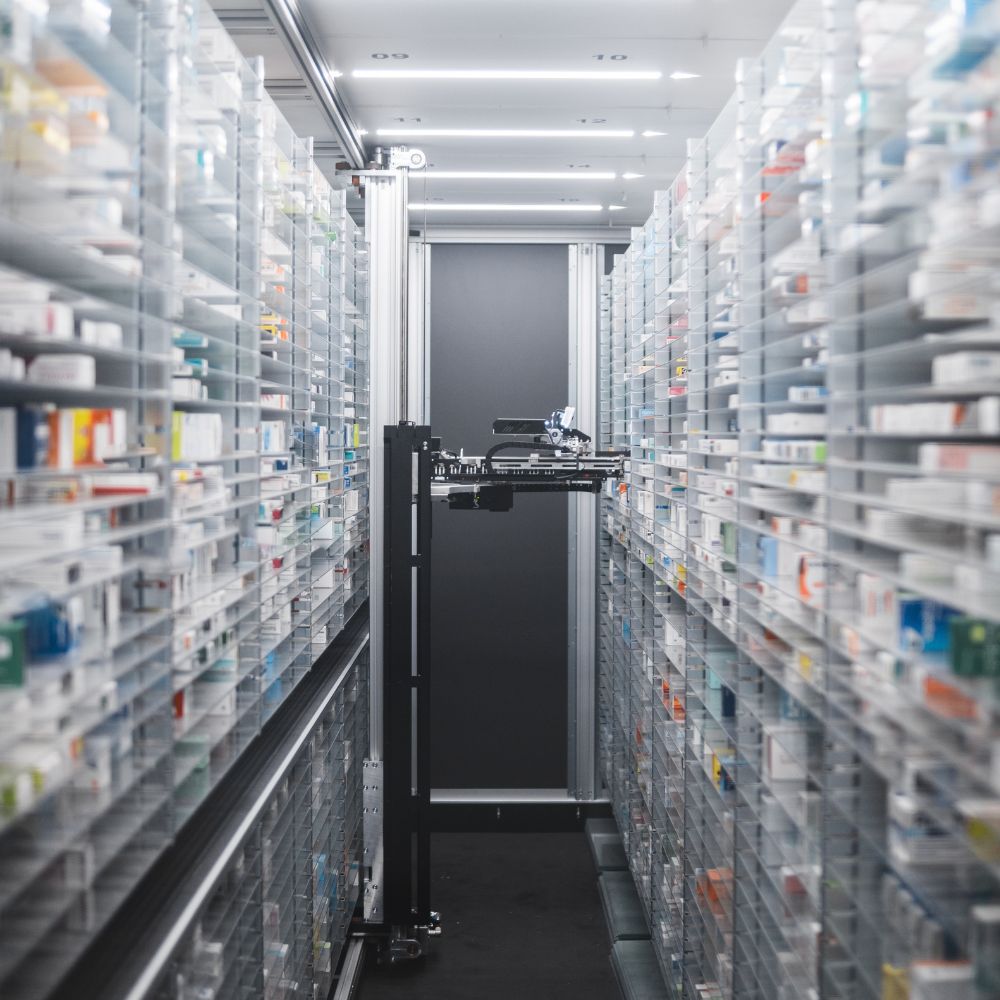
Pharmacy automation involves a wide range of technologies that automate tasks traditionally performed manually by pharmacists. Examples include:

  • Robotic Medication Dispensing Systems: Robotic arms that automatically select and dispense medications based on prescriptions, significantly reducing the risk of human error.
  • Inventory Management Systems: Advanced systems that enable pharmacies to monitor inventory levels, prevent stockouts, and maintain an optimal supply of medications.
  • Automated Packaging and Labeling: Medications can be precisely packaged and labeled with use instructions by highly accurate systems.
  • Data Management and Reporting: Systems that handle prescription data, inventory, and workflow, providing valuable insights for improving pharmacy operations.

Benefits of Pharmacy Automation

The integration of automation in pharmacies has transformed the way medications are dispensed and managed, bringing several advantages:

1- Inventory Tracking and Waste Reduction:

  • Ensure real-time inventory updates, allowing pharmacies to monitor stock, reorder as necessary, and prevent both overstocking and shortages.
  • Automatically alert pharmacists when stock falls below a certain level, ensuring continuous medication availability.
  • Prioritize medications with near expiration dates, reducing waste.
  • Advanced algorithms analyze past dispensing patterns to predict future medication needs. This allows pharmacies to stock up during peak demand periods, preventing wastage and stockouts.

2- Smoother Operations

Automation takes over repetitive tasks, with systems that can label and pack medications with precision. This saves time compared to manual processes, especially for medications requiring specific preparation, such as mixing doses or compounding topical creams.

This leads to:

  • Quick services: Reducing patient waiting time and increasing satisfaction.
  • Greater accuracy: Proper selection of medicines and their preparation in appropriate doses.
  • More efficiency and productivity: Less workload enables pharmacists to pay more attention to critical responsibilities, such as patient consultation, medication review, and personalized care.

3- Improving Patient Care

  • Improved Accuracy and Reduced Errors: Automation enhances accuracy and minimizes errors in drug distribution, as systems automatically select and dispense medications with high precision. Additionally, pre-printed labels improve packaging safety and efficiency, resulting in faster and safer pharmaceutical care.
  • Monitoring Patient Compliance: Patients receive detailed instructions on medication usage, dosage monitoring, and reminders for timely doses and refills. This promotes better adherence to treatment.
  • Safety Alerts: Automation can identify potential drug interactions or allergic responses, offering enhanced safety for patients.

4- Long-Term Cost Savings

While automation requires an initial investment, it leads to long-term cost savings through reduced labor costs, fewer medication errors, and improved inventory control.

5- Data Analysis

Automated systems collect and analyze data on medication usage and patient behavior, which can help improve healthcare services and contribute to the development of new drugs and treatments.

Pharmacy’s Future: Automated and Enhanced

Pharmacy automation is driving transformative changes in pharmaceutical care. As technology continues to advance, these automated solutions will become even more sophisticated, further improving accuracy, efficiency, and the quality of patient care.

Pharmacies that incorporate automation into their workflows will be better positioned to meet their patients’ evolving needs, ensuring safer and more efficient service delivery.

nupco offers a wide range of technological solutions aimed at enhancing healthcare quality and patient satisfaction. It also provides consulting and technical support to ensure clients fully benefit from these solutions.


Related Articles

10 Common Drug Interactions Pharmacists Must Know

The responsibility to dispense the right medication for each patient lies with both pharmacists and physicians, who must carefully consider all factors that may affect its efficacy or safety, including potential drug interactions.

What are Drug Interactions?

Drug interactions happen when a drug interacts with another drug, or with a specific food, beverage, or supplement, which ultimately alters its effectiveness or causes unexpected side effects. Such interactions may make medications less effective, dangerously more potent, or result in new or bothersome side effects.

Some drug interactions can even be fatal. Therefore, knowledge of potential drug interaction prior to prescribing or dispensing any medication is a must.

There are 3 ways in which drug interactions can happen:

  1. Drug-Drug interaction: Two or more drugs interact with each other, causing undesirable effects. For example, combining a sedative with an antihistamine results in increased drowsiness, making it dangerous to drive or operate heavy machinery and increasing the risk of falls.
  2. Drug-Disease interactions: This is when a drug affects a specific health condition, or conversely, when a health condition affects the effectiveness or the side effects of certain medications. Common examples include asthma and propranolol, hypertension and decongestants containing “pseudoephedrine”, or liver disease and paracetamol.
  3. Drug-Food/Drink interactions: A drug interacting with certain foods or beverages. For example, drinking grapefruit juice with certain drugs may intensify their associated side effects or lower their effectiveness, depending on the type of drug.

Examples of Common and Significant Drug Interactions

Below are a few notable examples of drug-condition interactions:

  1. Sildenafil (Viagra) and Nitrates: Viagra (Sildenafil) should not be combined with nitrates (such as Isosorbide dinitrate), which are used to treat heart disease. This combination can cause a dangerously low or even fatal blood pressure.
  2. Doxycycline and Multivitamins: When doxycycline is co-administered with multivitamins, it can reduce its absorption and effectiveness. Patients should be advised to separate them at least 2-4 hours.
  3. Digoxin and Amiodarone: Amiodarone and digoxin can be taken together, but with caution. Amiodarone can increase digoxin levels, leading to toxicity risk. To prevent this, when prescribed together healthcare providers often lower digoxin dose and monitor its blood levels closely. They also make sure to educate patients about toxicity symptoms.
  4. Warfarin and NSAIDs: Nonsteroidal anti-inflammatory drugs, particularly aspirin, may increase the risk of bleeding. When taken together with a blood thinner such as warfarin the risk of bleeding becomes significantly higher.
  5. Levothyroxine and Omeprazole: Omeprazole, a PPI, can reduce the absorption of levothyroxine (a thyroid medication), which may consequently lower its efficacy.
  6. Ondansetron and Dofetilide: Ondansetron, used for nausea and vomiting, may interact with dofetilide, a drug that regulates heart rhythm. This interaction can prolong the interval between heartbeats, leading to dizziness, fainting, and in severe cases, death.
  7. Potassium supplements and Spironolactone (diuretic): When taken together, these two medications can cause potassium levels to become too high, causing severe heart issues that could be life-threatening.
  8. Theophylline and Ciprofloxacin: Theophylline (used for certain respiratory diseases) can interact with the antibiotic ciprofloxacin, leading to toxic blood levels of theophylline and serious life-threatening side effects.
  9. Selegiline with Pseudoephedrine: Taking selegiline (a type of MAOI), with pseudoephedrine (commonly found in decongestants and cold medications) may cause dangerously high blood pressure, and in some cases may even be fatal. Drugs containing pseudoephedrine should be avoided until at least 14 days after discontinuing selegiline.
  10. Carbamazepine and Clarithromycin: Carbamazepine (an anticonvulsant) and Clarithromycin (an antibiotic) should not be used simultaneously because Clarithromycin can increase the levels of Carbamazepine in the blood, raising the risk of toxic side effects. A safer alternative or dosage adjustment should be considered.

Note: These are only a few examples and do not cover all possible drug interactions.

How to Avoid Drug Interactions?

Here are the key tips to reduce the risk of drug interaction:

1- Effective Communication

  • Listen Carefully: Ask about all medications that the patient is currently taking, including any prescribed, over-the-counter medicines, dietary supplements, and herbs.
  • History Taking: Ensure you are aware of all the patient’s medical conditions.
  • Discuss Treatment Plan: Explain how and when to take the drug and any special precautions that the patient should be aware of.
  • Encourage Communication: Encourage the patient to inform you of any changes in their health conditions or medication regimen.

2- Using “Wasfaty”

“Wasfaty” is one of nupco’s services. It is an electronic system that links hospitals and primary health care centers with community pharmacies. Helping improve quality of healthcare and pharmaceutical services provided to patients by:

  • Easier Access to Medications: Patients can receive their medications for free at the nearest community pharmacy.
  • Better Patient Safety: Wasfaty system automatically checks for allergies, potential drug interactions, and drug-disease interactions.
  • Minimization of Medical Errors: Wasfaty system rejects any prescription containing a warning about drug incompatibility with the patient’s health condition or with other prescribed medications.

For more information on “Wasfaty” services, please visit the “Frequently Asked Questions” page on our website.

3- Staying Updated on Drug Interactions

  • Stay updated, especially with most commonly prescribed and narrow therapeutic index medications.
  • Follow the latest updates from reliable sources.
  • Regularly read medical and pharmaceutical journals.
  • Attend conferences and seminars on drug interactions.
  • Go through the drug leaflet in case of doubt, or discuss it with your colleagues if you have any queries or concerns.

Conclusion

Proper understanding and avoidance of drug interactions is important for patient safety. With effective communication, utilizing smart programs, and staying updated, healthcare professionals can minimize the risks associated with drug interactions and ensure optimal patient care.

Tips for Choosing Medical Supplies for Your Clinic

High-quality medical supplies are the foundation of any healthcare institution committed to delivering excellent patient care. By upholding the highest standards of safety and precision they contribute to accurate diagnostics and successful treatments.

Whether you run a small clinic or a large hospital, high-quality medical supplies at an affordable price are essential to delivering excellent patient care and achieving your goals.

Below are important tips for getting the best medical supplies at the lowest cost.

1- List Down the Supplies You Need

Before you start, take a moment to consider the needs of your clinic and draft a thorough list.

Preparing an organized list will allow you to focus on suppliers that offer everything you need in one place, saving time and effort. It also helps you secure the best deals with a single supplier, rather than improvising and searching randomly.

Follow these steps to make list preparation easier:

  • Identify Essential Supplies: Highlight the medical supplies that need regular renewal throughout the year, such as thermometers, masks, gloves, gauze, bandages, etc.
  • Assess Equipment Needs: Determine if any essential supplies are missing, or if any old or worn-out equipment should be replaced to avoid ongoing repair costs.

2- Choose a Reliable Supplier

Now that you have prepared a list, it is time to find a reliable supplier that can provide all the products you need.

Select your supplier based on the following:

  • Good Reputation: Ensure the company is credible and has a good reputation and reliability in supplying medical products. The supplier should have strict procedures for routine inspection and testing to guarantee their product quality.
  • Sufficient Inventory: It’s important to have a supplier who always has enough inventory to support your work without any hindrances, from immediate replacement of medical supplies to restocking of some missing items.
  • After-Sales Service: Verify if the supplier offers maintenance and repair services in case of damage or malfunction.
  • Technical Expertise: A supplier should have a team of technical support to answer your questions or advise on the best options that can fit your clinic.
  • Price and Cost: Choose one that will deliver the best value within reasonable pricing.

3- Ensure Quality

You need to make sure that the products you purchase are safe, effective, and reliable, as the health and safety of your patients depend on their quality.

This is achieved by:

  • Ensuring that all the supplies you purchase comply with the highest quality requirements set by relevant healthcare regulatory bodies. The supplier should be able to provide specifications and documents proving the quality and safety of their supply.
  • Review customers’ feedback and ratings to ensure you have quality, original products and not counterfeits.

4- Balance Price and Quality

While quality medical supplies are important, it’s equally important to find the right price to maintain a reasonable budget. You cannot afford to compromise quality for a low price, but should try to get reasonably priced products.

Here are ways to spend wisely:

  • Compare Prices: Make sure to compare prices between a few suppliers before any purchase. This can help you get the best deal within your budget.
  • Request Discounts: Ask suppliers if there are any discounts or special offers.
  • Product Value Over Time: Consider not only the initial purchase price of the equipment but also other elements that contribute to long-term value, such as the lifespan of the product, maintenance costs, and the cost of spare parts.

5- Consider Pre-owned Equipment

To make the most of your budget, consider the option of refurbished medical equipment. These are pre-owned tools or devices that have been inspected, repaired, and reconditioned by specialized technicians to function with high efficiency and performance, almost like new.

Why nupco is the Best Choice for Medical Supplies?

  • Best Medical Supplier in Saudi Arabia: With a wealth of experience in the industry and the ability to deliver pharmaceuticals, equipment, and medical supplies throughout the Kingdom, we provide the highest level of service.
  • Customer-focused: Your satisfaction is our priority, we work to fulfill all your needs fast and easy.
  • Competitive Pricing: We offer competitive pricing without compromising on quality.
  • Modern Technology: We utilize modern technology to offer you error-free high quality services.
  • Top-quality Medical Supplies: We provide the best medical supplies from trusted original brands, assuring the safety and satisfaction of your patients.
  • Continuous Supply Assurance: We provide you with all the supplies you need throughout the year, without any delays.
  • Flexibility: We tailor our services to meet the unique needs of each customer.

With nupco, you can:

  • Save money with our competitive prices and special deals.
  • Save time with our efficient services.
  • Access the highest quality medical supplies from top-of-the-line companies around the world.
  • Ensure an exceptional customer experience.

Purchase all your medical supplies from our online marketplace, and enjoy an innovative, convenient shopping experience.

Conclusion

Having followed the above steps, you’ll make informed decisions, ensuring you receive reliable and safe supplies that meet your needs. Invest in the future of your clinic and the health of your patients by choosing nupco!